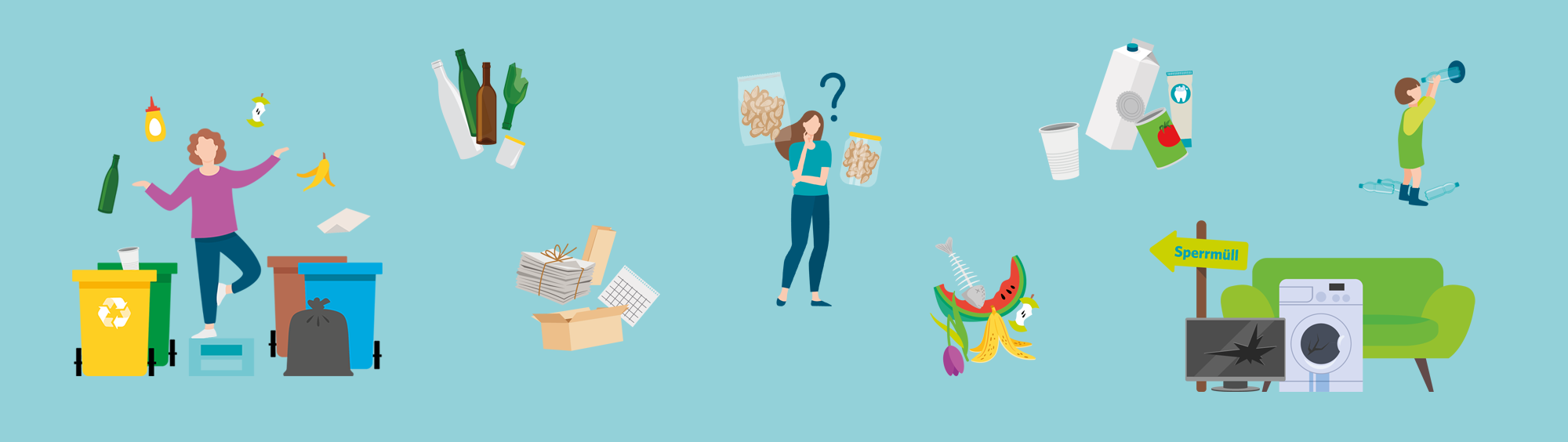
Verschiedene Illustrationen: Frau sortiert Müll in farbigen Behältern; Sperrmüll-Schild neben Elektronik und Möbel.
Loading...
Back

Waste separation clearly explained: What belongs in which bin?

Sorting waste is a part of everyday life, yet it is easy for confusion to arise. It often comes down to very specific questions like “Where does this go?” In Germany, there are several types of waste bin, each with clearly defined requirements. By correctly separating waste, you are facilitating recycling and reducing residual waste.
A lot of the questions people have concern specific, commonly encountered materials, e.g. pizza boxes, aluminum foil or polystyrene. These tips will help you to correctly separate waste.
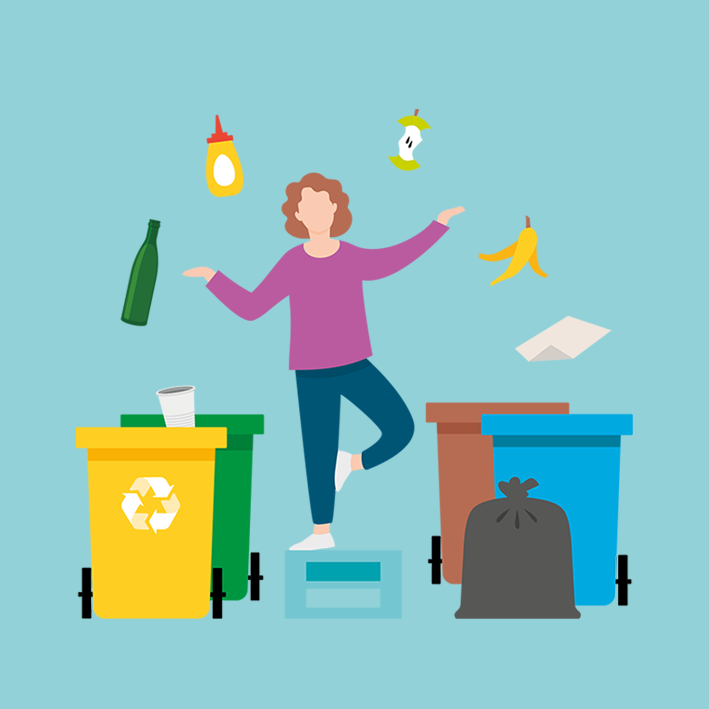
Illustration: Person jongliert Müll, steht vor Mülltonnen.
Loading...

A summary of the most important points: Waste separation clearly explained

  • Residual waste: Anything that cannot be easily recycled.
  • Organic waste bin: Organic waste, no plastic bags (even “compostable” ones).
  • Paper bin: Clean, dry paper and cardboard.
  • Yellow bin/yellow bag: Empty packaging made of plastic, metal or composite materials.
  • Recycling bin: Depending on the municipal authority, also plastic and metal items (not just packaging).
  • Bottle bank: Sort glass packaging by color; unusual colors are generally disposed of together with green glass.
  • Important: Different municipal authorities may have different rules. Ensure you observe the information on the bin itself and any local regulations.

Why waste separation is important

Correctly separating waste ensures that many materials can be recycled and reused. This reduces consumption of raw materials and energy and ensures that paper, glass, metals and plastics are kept within the materials cycle wherever possible.

Waste separation can also pay off in everyday life. In Germany, the waste disposal system can be broadly divided into two categories: the costs of disposing of residual waste and organic waste are usually covered by ancillary expenses. Packaging made of plastic, metal, composite materials, glass and paper is dealt with via the so-called dual systems. These are financed by the manufacturers (and thus indirectly through the price of the product).

For you, this means that if you separate waste correctly, less ends up in residual waste. This helps to reduce residual waste and therefore also determines how big bins need to be and how often they need to be emptied.

For this to work smoothly in everyday life, it all boils down to one simple, basic rule: What belongs in which bin?

Separating waste correctly: What belongs in which bin?

In everyday life, it usually comes down to one simple question: What waste belongs in which bin?

Here you can find an overview of the main types of waste, along with clear basic rules and typical information.

If you have any questions, please also refer to the house rules or the information displayed by the bins. If you have questions, help can also be found in the “Mein Vonovia” app.
Restmülltonne
Loading...

What goes in residual waste?

Anything that cannot be recycled or composted belongs in residual waste. If you are unsure, these general rules can help:

Anything that is not packaging, paper/cardboard, organic waste or glass packaging is usually considered residual waste.

The following types of waste should usually be put in residual waste:

  • hygiene items (nappies, sanitary towels, cotton buds, tissues)
  • animal litter
  • ceramic, porcelain and small amounts of broken crockery
  • dirty or coated materials that cannot be recycled
  • vacuum cleaner bags, sweepings, ash and cigarette butts
Gelber Mülleimer recycelt Konservendosen, Becher und Milchkarton.
Loading...

What belongs in the yellow bin/yellow bag?

Empty packaging made of plastic, metal or composite materials goes in the yellow bin or yellow bag.

Typical examples of waste that goes in the yellow bin/yellow bag:

  • plastic packaging: yogurt and margarine tubs, film, plastic bags, trays, toothpaste tubes, shampoo and cleaning product packaging
  • metal packaging: food and drinks cans (deposit-free), lids and caps, aluminum foil, aluminum trays
  • composite packaging: drinks cartons (e.g. milk and juice cartons), vacuum-sealed packaging (e.g. coffee), takeaway cups

Common mistakes: toys, plastic bowls, pots or tools do not belong in the yellow bin, unless your municipal authority uses a recycling bin that also accepts plastic and metal items.

Empty, but not clean: Packaging must be empty. It does not usually need to be rinsed out. Throw packaging in loose and do not stack pieces inside each other. This makes it easier to sort.
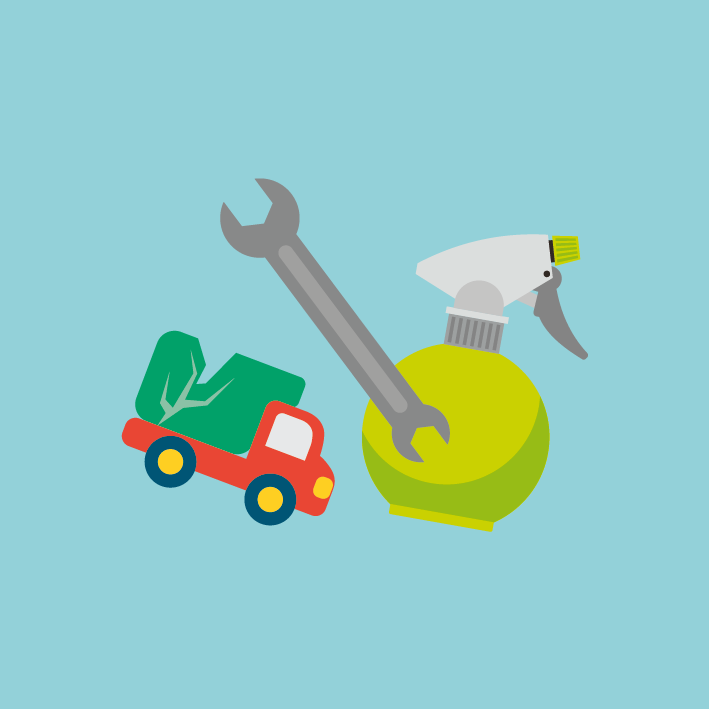
Kaputtes Spielzeugauto, Schraubenschlüssel und Sprühflasche vor blauem Hintergrund.
Loading...

What should be put in the recycling bin?

Only some municipal authorities use recycling bins. While it is generally only packaging that can be collected in the yellow bin/yellow bag, additional items can often be put in the recycling bin.

Basic rule: Anything that can also go in the yellow bin, as well as other items made of plastic or metal, should be put in the recycling bin.

Typical examples of waste that goes in the recycling bin:

  • plastic items such as watering cans, plastic bowls or toys
  • metal items such as pots, cutlery, tools or screws
  • empty aerosol cans that do not carry hazardous substance labels
Important: You can usually find out which bin you have by reading the label on the bin or referring to your municipal authority’s waste disposal regulations. If you are unsure, check the notices on site. This will ensure that you do not put anything in the wrong bin.
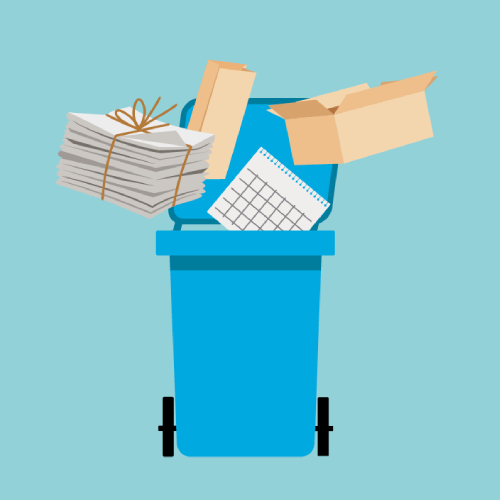
Eine Altpapiertonne, gefüllt mit Papier und Kartons, vor blauem Hintergrund.
Loading...

What belongs in the paper bin?

The paper bin should be used for clean, dry paper and cardboard. In most cases, anything that is heavily soiled or wet cannot be effectively recycled, so it should not be disposed of as waste paper.

The following things can usually be put in the paper bin:

  • cardboard boxes
  • newspapers, magazines, brochures
  • books, leaflets, writing paper
  • paper bags and packing paper
  • paper packaging (e.g. flour and sugar bags)
  • egg boxes

By the way: Window envelopes can be put in the paper bin. The window is separated during the recycling process.

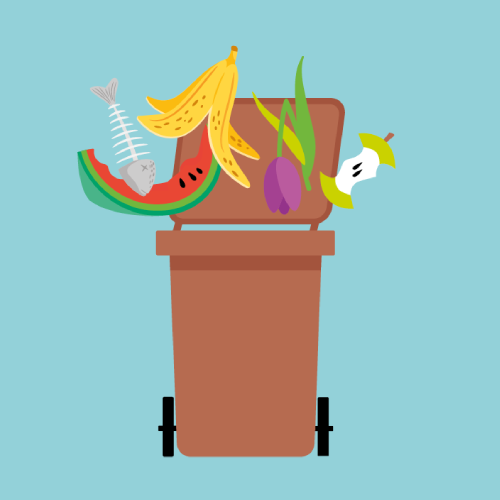
Illustration Biomülltonne enthält Obst- und Gemüseabfälle sowie eine Fischgräte.
Loading...

What should be put in the organic waste bin?

The organic waste bin should be used for organic kitchen and garden waste. To ensure that organic waste can be recycled, no contaminants such as plastic or glass should be put in the organic waste.

Typical examples of things that can be put in the organic waste bin:

  • leftover food (including cooked food)
  • fruit and vegetable scraps, peelings (including citrus fruit)
  • old food removed from packaging
  • coffee grounds and coffee filters
  • tea and teabags
  • egg shells
  • leaves, flowers, cuttings, grass clippings

Our tip: These can be easily collected in a bowl that you regularly empty out or a paper bag.

Compostable plastic bags? These are generally not permitted. Even “compostable” bags often do not break down quickly enough and can impact the recycling process. Paper bags or newspaper are usually a better solution. Ensure you observe the information on the organic waste bin itself and your municipal authority’s regulations.
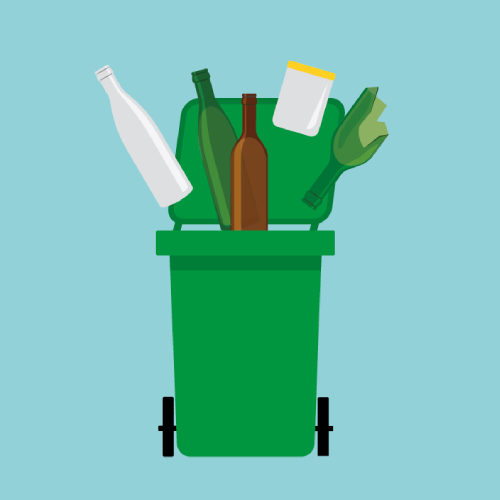
Altglastonne
Loading...

What goes in the bottle bank?

The bottle bank should be used for glass packaging, i.e. bottles and jars that have been used as packaging. Other types of glass are processed differently and should not be put in the bottle bank.

Typical examples of waste glass:

  • bottles (e.g. for juice, wine, vinegar)
  • jars (e.g. jam, baby food or preserving jars)
  • glass packaging such as perfume bottles or medication bottles

Waste glass is usually separated into clear, brown and green glass. Blue or red bottles should usually be put in the green glass bottle bank, because it is less problematic for green glass to be mixed with “odd colors”.

Important: Glass from mirrors or windows should not be disposed of as waste glass. Bottle banks are only designed to take glass packaging (e.g. bottles, preserving jars). Glass from mirrors or windows and heat-resistant glass are processed differently and should therefore usually be put in residual waste or taken to special collection points, depending on local regulations.

Lids and caps can usually be left attached to the glass. Alternatively, they can be disposed of in the yellow bin.

Note: If you are looking for a bin near you, you can also use the location search tool provided by the “Mülltrennung wirkt” initiative.

Common everyday questions about waste separation

For many items, it is not always immediately clear how they should be disposed of. This is particularly the case for coated paper, packaging made from several different materials or greasy leftover food. This overview will help you to quickly identify how to dispose of various items that often cause confusion.

everyday questions waste separation

Correctly disposing of bulky waste, electrical waste and hazardous waste

Many types of waste do not belong in the bins in front of the building. For example, large pieces of furniture, electronics or harmful substances. Below you will find a brief summary of the most important rules.

Illustration. Wort „Sperrmüll“.Schild neben kaputten Fernseher, eine kaputte Waschmaschine und eine grüne Couch.
Loading...

What counts as bulky waste?

Bulky waste includes bulky furnishings and household items that are too big for the household bin. This includes, for instance, tables, chairs, sofas, mattresses and garden furniture.

Important: Each municipal authority may define bulky waste differently. Floor coverings, tiles and doors can often be more complicated: sometimes they are classed as bulky waste and sometimes they are classed as construction waste, depending on the material and quantity. Construction waste is generally not disposed of via the bulky waste collection service, but instead via recycling centers or private waste disposal companies.

You usually need to arrange for the disposal of bulky waste yourself. Typical options are:

  • Collection: the municipal authority’s waste disposal service or private waste disposal companies collect bulky waste on set dates. There are often restrictions on quantity and conditions; collection may be free or subject to a charge, depending on where you live.
  • Drop-off at a recycling center: If you do not want to wait for it to be collected on a set date, you can often drop off bulky waste yourself, either for free or subject to a charge, depending on where you live.

Our tip: If furniture is still in a usable condition, it is worth trying to pass it on first through online exchange platforms or neighborhood ads. Arranging a joint collection time with your neighbors can also help make things easier.

How should I dispose of electrical waste?

Electrical waste does not belong in household waste. It contains valuable raw materials, but also elements that must not be released into the environment.

How to correctly dispose of electrical waste:

  • Recycling center: Here you can usually get rid of electrical waste for free. This is the case for TVs, monitors, kitchen appliances and washing machines.
  • Returning it to the store: Many electronics stores and larger supermarkets will take back old appliances. Small appliances (less than 25cm in length) are often accepted without you having to make a new purchase.

The e-waste return finder shows you the places closest to you where you can hand in electrical appliances.

Disposing of bulbs separately: LED and energy-saving bulbs should also not go in residual waste. They are disposed of through recycling centers or special collection points.

If you are unsure, your municipal authority’s website will have information on collection points near you.

What about batteries, paint and medication?

Some waste contains hazardous substances and does not belong in domestic waste or waste water. This must be disposed of through special channels.

Batteries

Batteries and energy sources should be taken to in-store collection points or to the recycling center. Many supermarkets, drug stores and electronics stores will accept them free of charge.

Paints and varnishes

Here, it depends on what state they are in.

  • Dried-up, water-based paints can usually be disposed of as residual waste.
  • Solvent-based paints and varnishes are considered hazardous substances and should be taken to the recycling center or to special collection points.

Ensure you observe your municipal authority’s regulations.

Medication

Old medication should not be flushed down the toilet or the sink, as the active substances can end up in the waste water. Each municipal authority may have different regulations on the disposal of medication. In some places it is treated as residual waste, while in others it must be taken to collection points or pharmacies. You can get information from your municipal authority or the official information pages on disposal of medication.
Frequently asked questions about waste separation

Frequently asked questions about waste separation

Overview with examples: Which type of waste belongs in which bin?

Type of waste
Examples (typical items)
Correct bin
Note

Packaging (plastic/metal)

Aluminum foil, aluminum trays, polystyrene (packaging), drinks cartons

Yellow bin/yellow bag

Empty is sufficient, rinsing out not necessary

Paper & cardboard

Pizza box (clean)

Paper bin

Very greasy = residual waste

Organic waste

Food scraps

Organic waste bin

No plastic bags

Glass

Bottles, glasses

Bottle bank

Sort by color

Residual waste/non-recyclable

Receipts, transport tickets, baking paper, heavily soiled pizza box

Residual waste (black bin)

Thermal paper/coated paper

This might also interest you

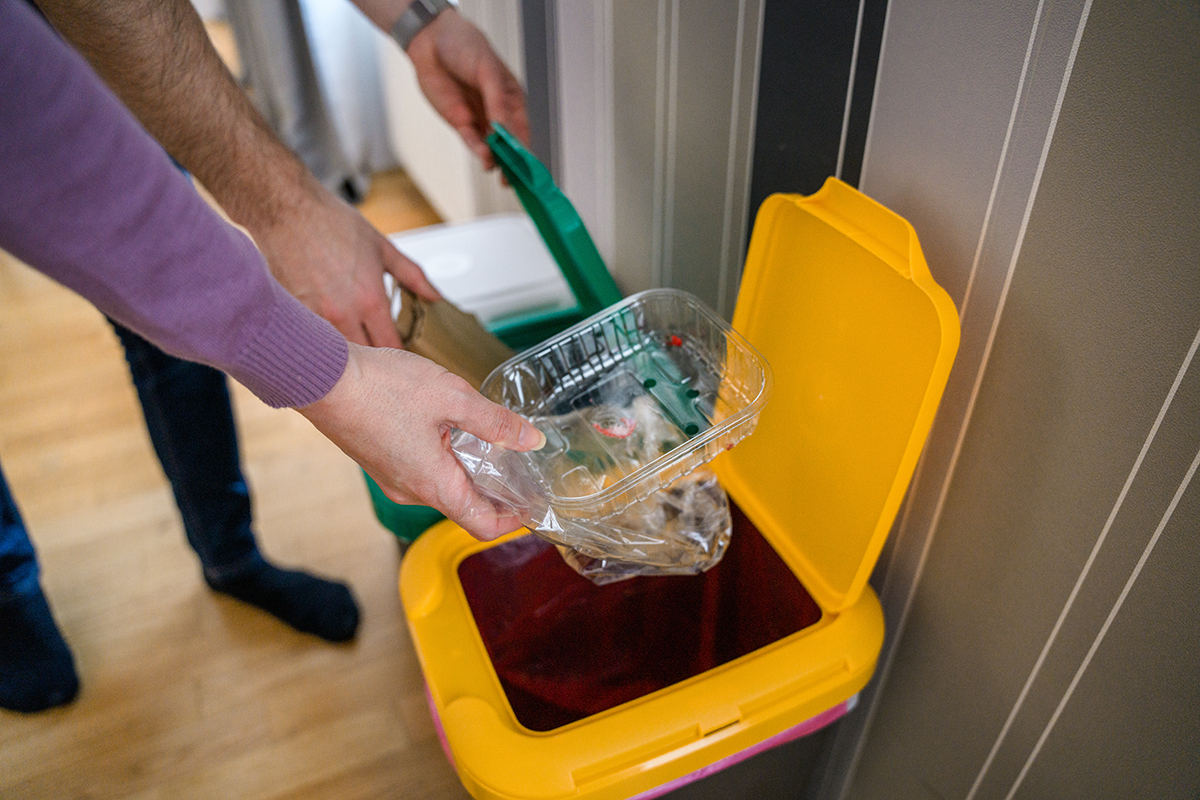
Person recycelt Verpackung in gelbe Mülltonne zu Hause.
Loading...

Waste Separation Myth

Everything ends up all together anyway. Not true! Separating waste is worthwhile. You can find answers to frequently asked questions here.
Learn more
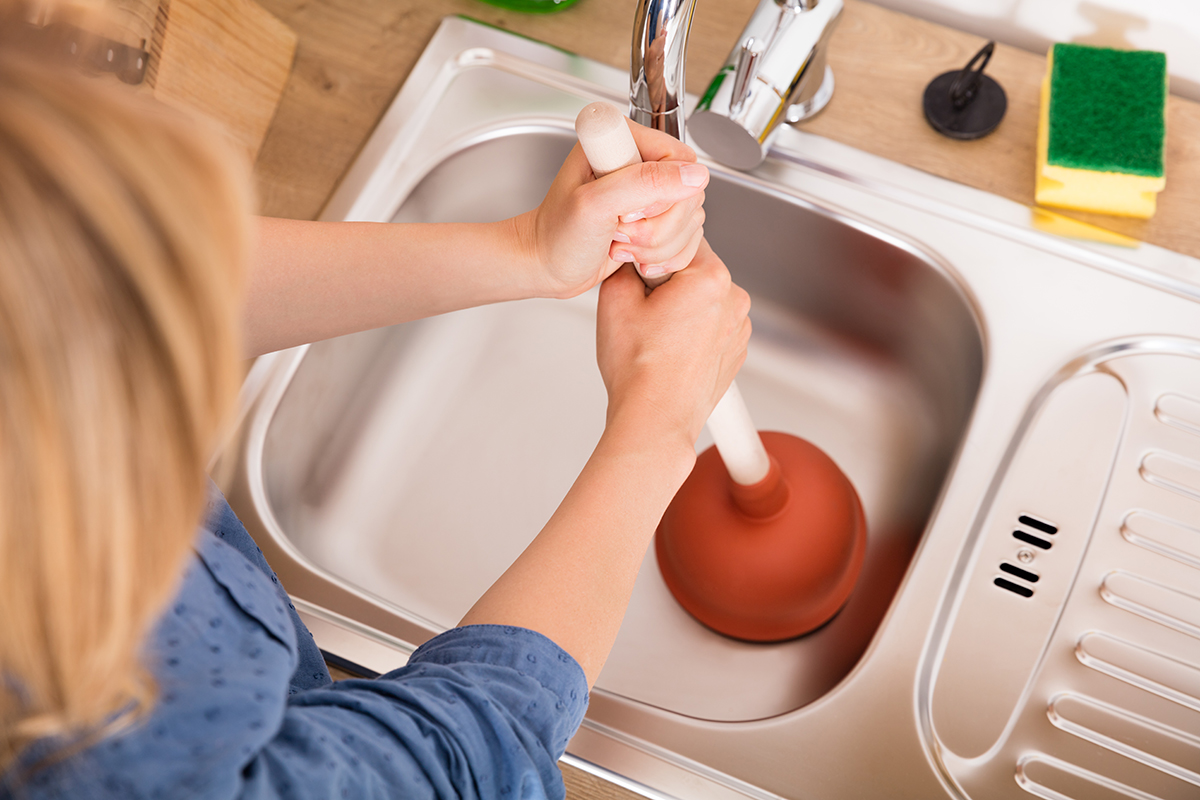
Frau mit Pümpel entstopft Spüle in einer Küche.
Loading...

Blocked Drain? Here’s how to Quickly and Easily Solve the Problem!

It happens sometimes: The drain is blocked and the water is no longer draining away. With our tips you can clean your shower, bathroom sink, kitchen sink or toilet effectively, without having to use chemicals.
Learn more